
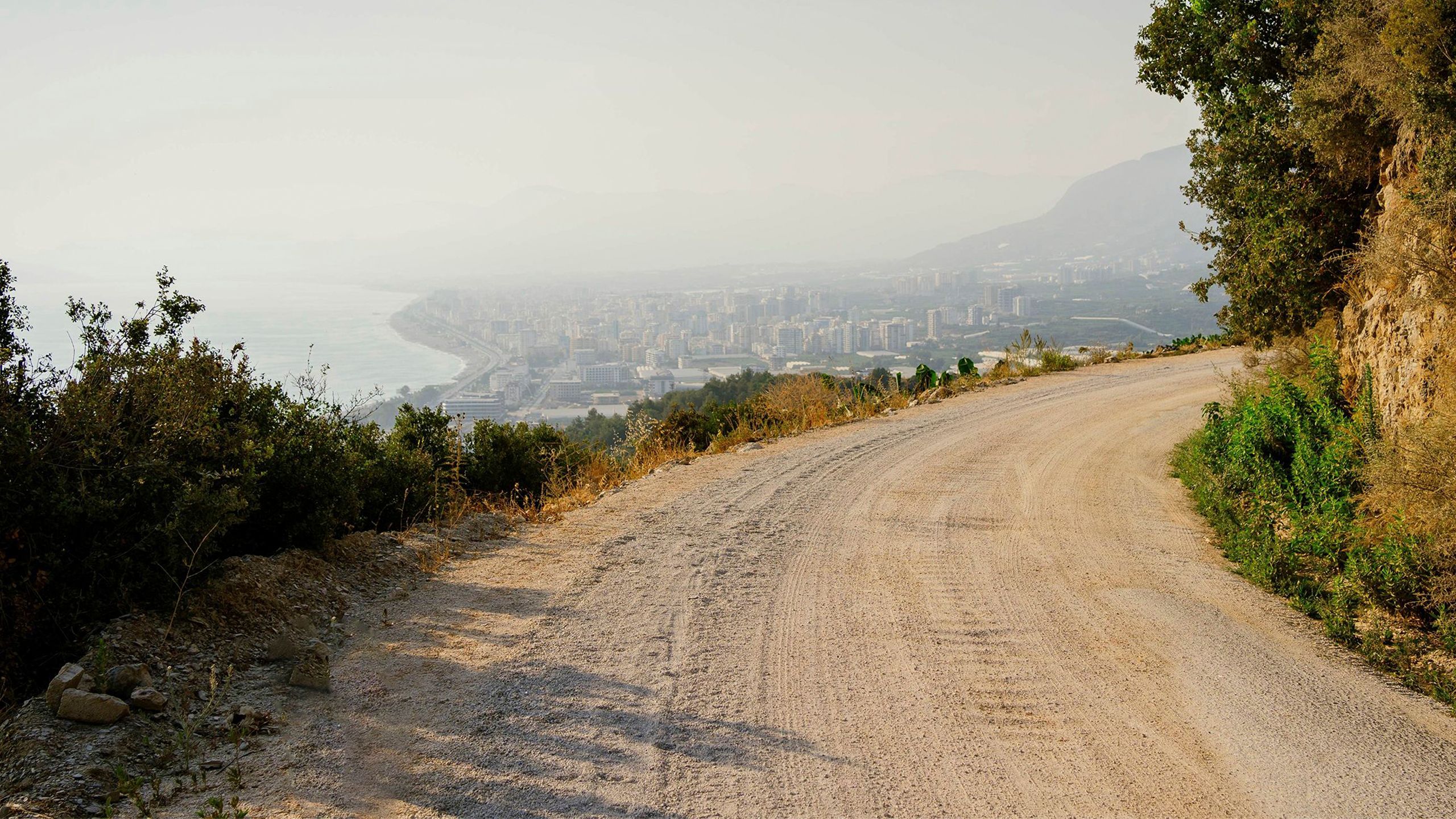
The countryside around Büyükkonuk is laced with nature trails for walkers and cyclists. Up in the hills, the routes get tougher and run to more than 30 kilometres in total, while the fields and flat ground around the village are perfect for an easy walk, a gentle bike ride or even a slow trip by donkey.
There is a lot to notice along the way. Mediterranean flowers, shrubs and trees line the paths, and in spring, from March to May, the area fills with orchids of every kind, a real draw for anyone keen on botany. April and October are the months to watch for migratory birds.
The landscape itself is part of the appeal: a working countryside shaped by human hands over centuries. Old olive trees, bent into odd shapes by the years, break up the wheat and barley fields, and between them grow carob, almond and the odd patch of orchard. Closer to the houses, the vegetable gardens are full of artichokes and melons, much of it picked for the kitchens of the local restaurants.
There is no need to stick to the marked trails. With hardly any fences or boundaries around, most of the land is open to explore, as long as the locals are treated with respect and the crops left alone. Walking along the edges of the fields is allowed by law, and there is even an official term for it: the old “donkey paths”.
Sheep under the olive trees
Quick note on snakes before heading out. In the warm months, from April to November, it is worth staying alert, keeping to open roads and trails and watching the ground when walking through tall grass.
In the colder months the snakes hibernate, but they can still hide away under stones and in cracks, so it is always worth being careful. Tall boots and long trousers make sense for a walk. Some travellers also carry a venom aspirator to draw the poison out after a bite – it works on insect stings, too.
The black snakes on Cyprus are usually harmless. The one to keep an eye out for is the Cyprus viper: look for a big diamond-shaped head and a short, thick body with light-brown, spotted markings. It sometimes gives a warning hiss, but its colours hide it so well in the grass and sand that it is easy to miss.
If a bite does happen, the thing to do is to put a pressure bandage above the bite, keep the affected limb as still as possible and get to medical help fast. Every clinic and hospital in the area keeps antivenom in stock.
The good news is that there has not been a snakebite here in years. Still, it is worth staying alert on a walk.
A bottle of water, a light snack and a bit of curiosity are really all it takes to head out and explore. Maps and more details are at the Delcraft centre.