
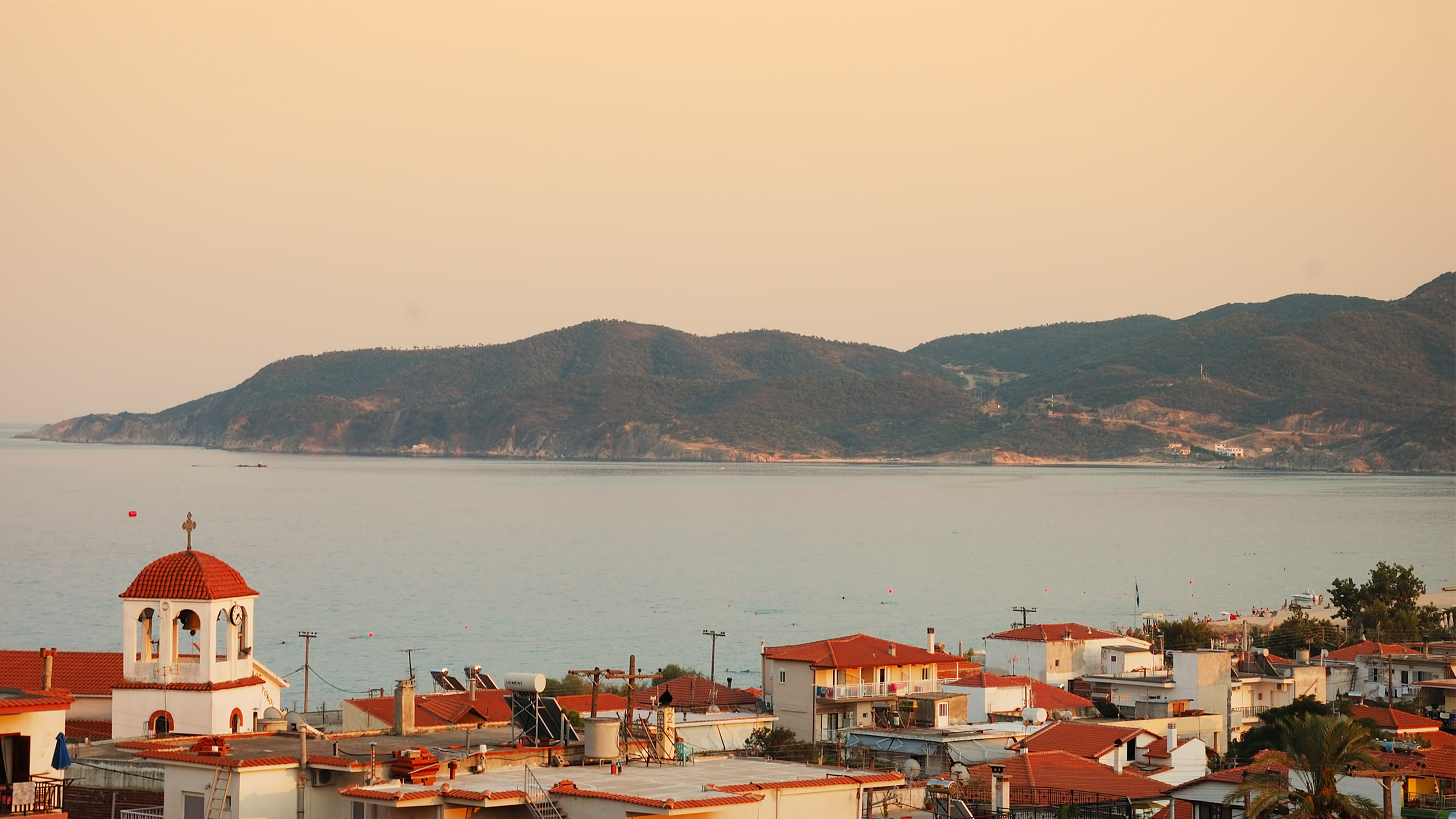
In Büyükkonuk, rural Cyprus still goes about its day the way it always has. There is no rush here and no schedule to keep – just the slow, steady rhythm a village falls into over generations. Shepherds walk their flocks of fat-tailed sheep along paths worn smooth by years of use, lambs trotting along beside them, and the soft clatter of bells carries across the fields long before the animals come into view.
It is the small, everyday moments that tend to stick with people. A goat stands patiently while the pail fills with warm, foaming milk. Eggs are gathered for breakfast still warm, lifted straight from the nest. Nothing here is put on for show – this is simply how the day runs in a place that has never had much reason to hurry.
In the old olive groves, the fruit ripens and fills basket after basket, then goes under huge stone millstones to be pressed into golden olive oil. Country trails wind between fields edged with stone walls, across a landscape that has barely changed in centuries. An old tomb or bits of pottery left behind by civilisations thousands of years old turn up often, right along the path.
When everything is in bloom, the countryside fills with colour – yellow, pink, purple, and blue, one shade after another. The air smells of pine and carob woods, green valleys, and open fields. By summer, the spring green fades to golden fields that look like something out of a Van Gogh painting, bright under the Mediterranean sun, and they have drawn artists here for generations.
The local cuisine keeps the flavour of tradition alive – from a simple piece of bread dipped in olive oil to the famous “fırın kebab,” meat slowly roasted in a clay oven, and a rare delicacy: pumpkin flowers stuffed with rice and fragrant herbs.
Komi Kebir in Northern Cyprus, known as the “gateway to Karpas,” works equally well for a day trip or an overnight stay. For lovers of ecotourism, this little corner is especially appealing: the region is renowned for its natural and man-made landscapes, the rich biodiversity of its flora and fauna, and a deep cultural heritage.
The Village of Büyükkonuk
The village of Büyükkonuk (Komi Kebir) lies just below the Beşparmak (Pentadactylos) mountains, where the narrow Karpas peninsula begins. Well inland, this authentic eco-village is roughly the same distance from each of Cyprus’s coastlines, as the island is only around ten kilometres wide here. The northern coast has rocky shores and pebble beaches, while the southern coast is known for some of the finest sandy beaches in the Mediterranean.
The village’s traditional crops are olives, carob, wheat, barley, and a range of vegetables from irrigated fields. Cows, sheep, and goats are raised here, and almost every household keeps chickens and tends its own garden.
Wooded hills wrap around the village, filling the air with the scent of pine and wild herbs. Olive groves and other trees paint the landscape in every shade of green, and in season, orchids and wildflowers bloom everywhere.
Country roads and narrow trails crisscross the hills and plains around the village. With almost no fences or barriers in the way, these surroundings are ideal for walking and cycling.
Taking Part in Village Life
People come to Cyprus for all sorts of reasons – the wonderful weather, the magnificent beaches, the delicious food. In recent years, though, more and more travellers have been drawn by the island’s culture and traditions.
And the surest way to discover them is to step into the life of an eco-village, where old crafts and customs are still carefully preserved and passed down from one generation to the next.
In Büyükkonuk, there is something for every taste and every budget. Cooking and craft workshops are arranged into a programme shaped around the interests and makeup of each group – from young people to older travellers – and around a suitable price.
The activities range from olive picking, milking goats and sheep, and basket weaving to broom making, wool spinning, egg collecting, and many other traditional rural tasks, with the lineup shifting from season to season.
The Büyükkonuk eco-village works to keep the traditional way of life of the Cypriot village alive, as a vital part of the island’s cultural heritage. The real treasure of rural Cyprus is hidden right here, in Karpas.